
Our neighbour on Agios Efstratios is a teacher. According to the internet there are over two hundred people on the island but he says there are only eighty in winter. And not many more in summer, he adds. It’s not Santorini.
Eleven of the permanent residents are teachers at the school.
So how many children are there? I ask.
Eleven.
I raise my eyebrows.
What? he says. Am I supposed to teach sport now?
He has arrived here from somewhere on the mainland. From time to time we meet teachers like him who have come to remote island-places. Although we don’t know exactly how this works, we imagine some level of compulsion. But perhaps, rather, he chose. Perhaps he plopped an excited pin on a map. Even though he’s Greek, perhaps he has a mainlander’s idea of aquamarine water and sunshine and lotus eating, and has come away for big adventure, only to find himself on Agios Efstratios.
He says he’ll be here for two years.
Don’t go to the supermarket. He shakes his head. It’s so expensive. You can get souvlaki in the tavern. He picks up his bag and makes to leave, then turns. This is the worst island in the Aegean, he says. It’s like a prison.
***
Agios Efstratios was used as a place of internal exile from the 1930s until 1963. Mostly politicals. Left wing, obviously. The poet Yiannis Ritsos was here. And Mikis Theodorakis, the musician who composed the music for Zorba the Greek. At one time there were three or four thousand prisoners. They vastly outnumbered the locals. During and after the Greek civil war, 1946 –1949, only the notorious prison on Makronisos island, just off the mainland near Lavrio, was bigger.
Greek islands have always been used as places of exile. Under the Romans, Amorgos, Andros, Kythnos, Serifos, Naxos, Syros and no doubt others. During the chaotic Greek twentieth century still more. Cast your enemy onto a rock surrounded by water. The more barren the better. Even recently, prisoners were at times expected to organise their own housing, their own food. The practice of internal exile was only abolished in 1974, at the end of the Dictatorship of the Colonels.
On Agios Efstratios, prisoners’ tents filled the valley that leads into the port, the only settlement on the island. Around it were guard towers. One of them is still here, small, round, whitish, now lost among the long grass and spike bushes. Goats use it for shade. Bee-eaters sit on the electricity wires above it and swoop incredibly fast down over it in the evening to catch insects on the wing. They are reddy orangey bluey greeny yellowy black, they flash like hot metal and hardly need to flap their wings they’re so good at flying. They go prrrrrp prrrrp, prrrrrp prrrrrp, and are quite wonderful.

***
Agios Efstratios, in the middle of the northern Aegean, thirty kilometres south of Limnos, eighty kilometres northwest of Lesbos, might be the most lonely island we’ve visited. Almost no-one comes here. There’s little accommodation. No tourist infrastructure. Few basic services.
In a recent paper written about the island, its economic prospects and how to stop the draining-away of its inhabitants, the author wrote the following:
There is a lack of basic infrastructure on the island, such as an oven (sic – bakery), a fishing or a butcher’s shop, a pharmacy, a gas station and others, with negative impact on its attractiveness. In addition, the negative publicity about locusts in the international media (BBC, 2017)… was also detrimental to the island’s attractiveness.
It took us two and a half hours to get here on the ferry from Limnos. The tiny Aeolis Lines boat runs back and forth six days a week between Limnos and Agios Efstratios. The large, Hellenic Lines ferry is quicker, but only passes twice a week.
The island is shaped like a shark’s tooth, eleven kilometres long, root to point, a maximum of six kilometres wide. It reaches an altitude of just under three hundred metres. There’s almost no asphalt road and there are no old stone hiking paths. Movement around the island takes place on a network of dirt roads, dusty and stony. The beaches are grey, volcanic.
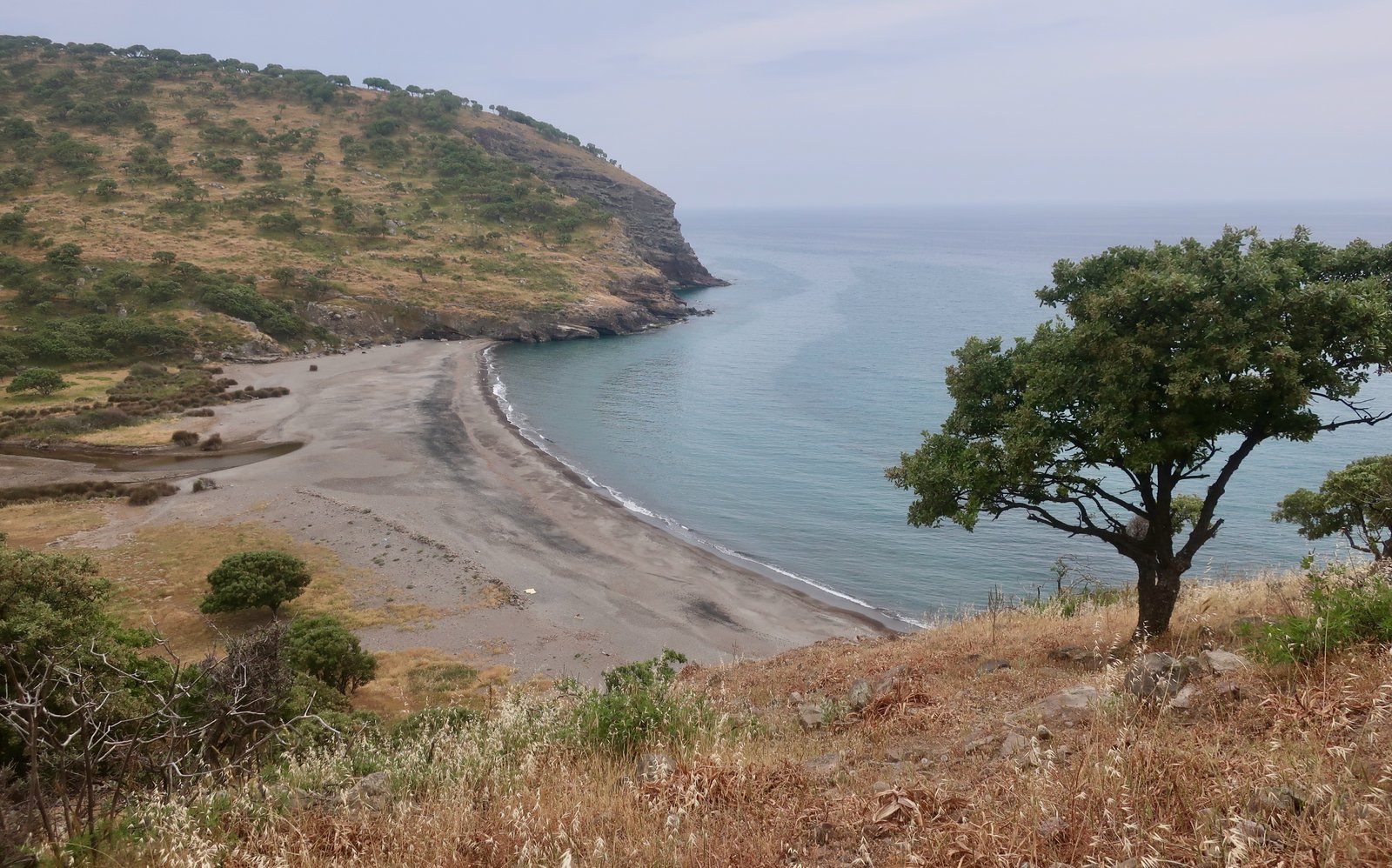
In the sixteenth century economic and agricultural activity on Agos Efstratios was organised around fishing and acorns. There’s still a small oak forest in the north of the island. According to the internet, from acorns you can make acorn flour, you can extract acorn oil. Snacks can be made by roasting and salting. These days no-one seems to care much for acorns.
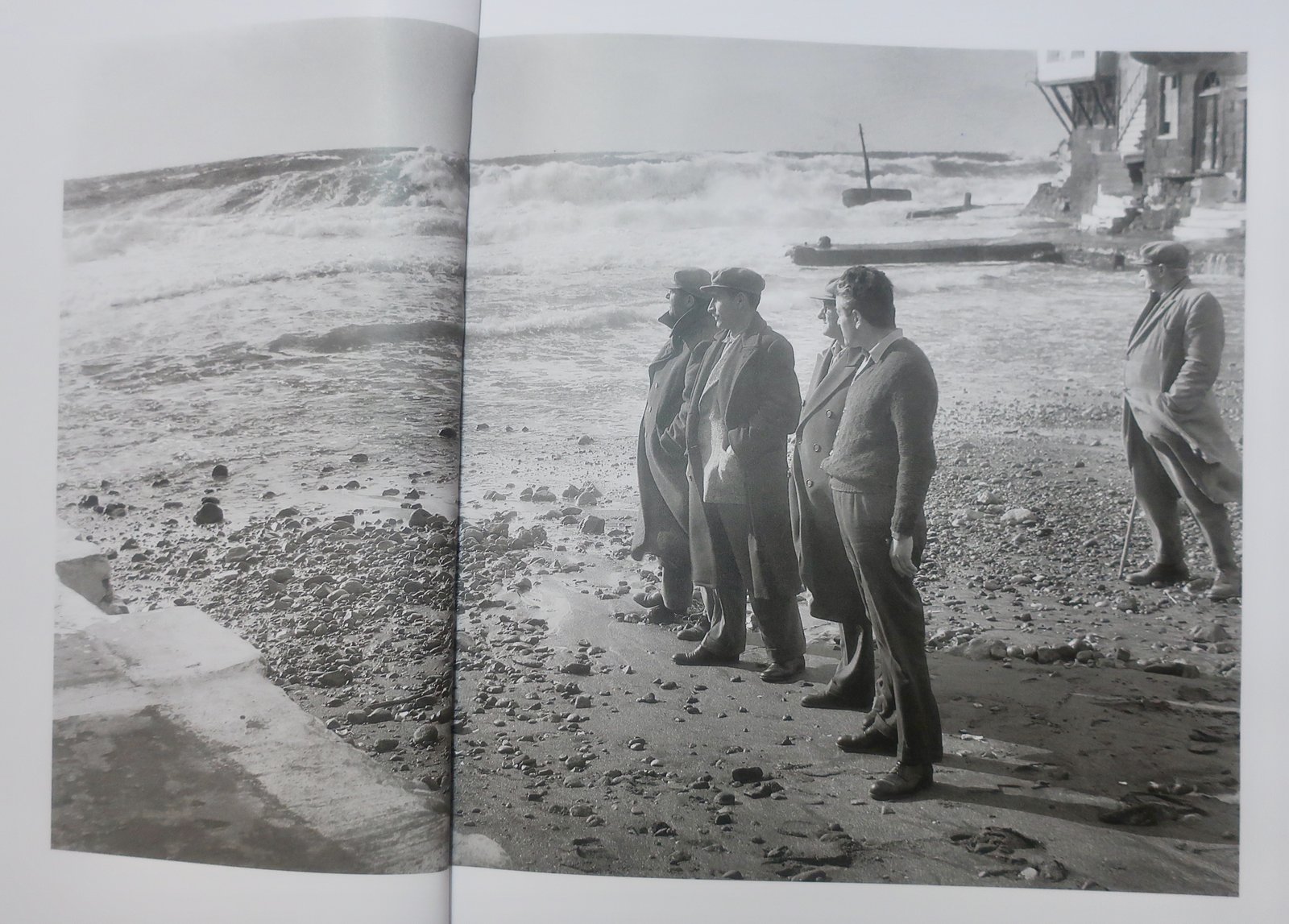
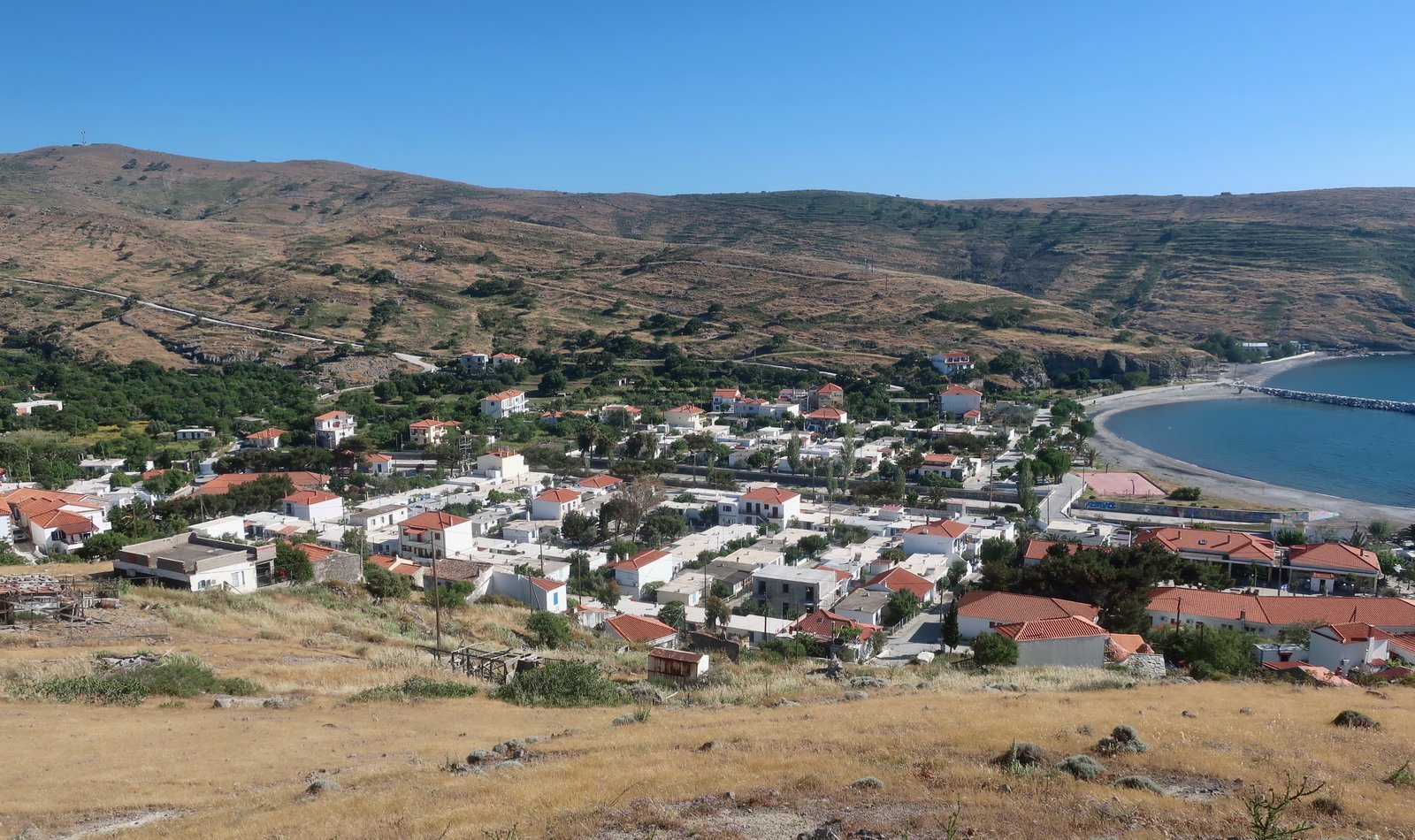
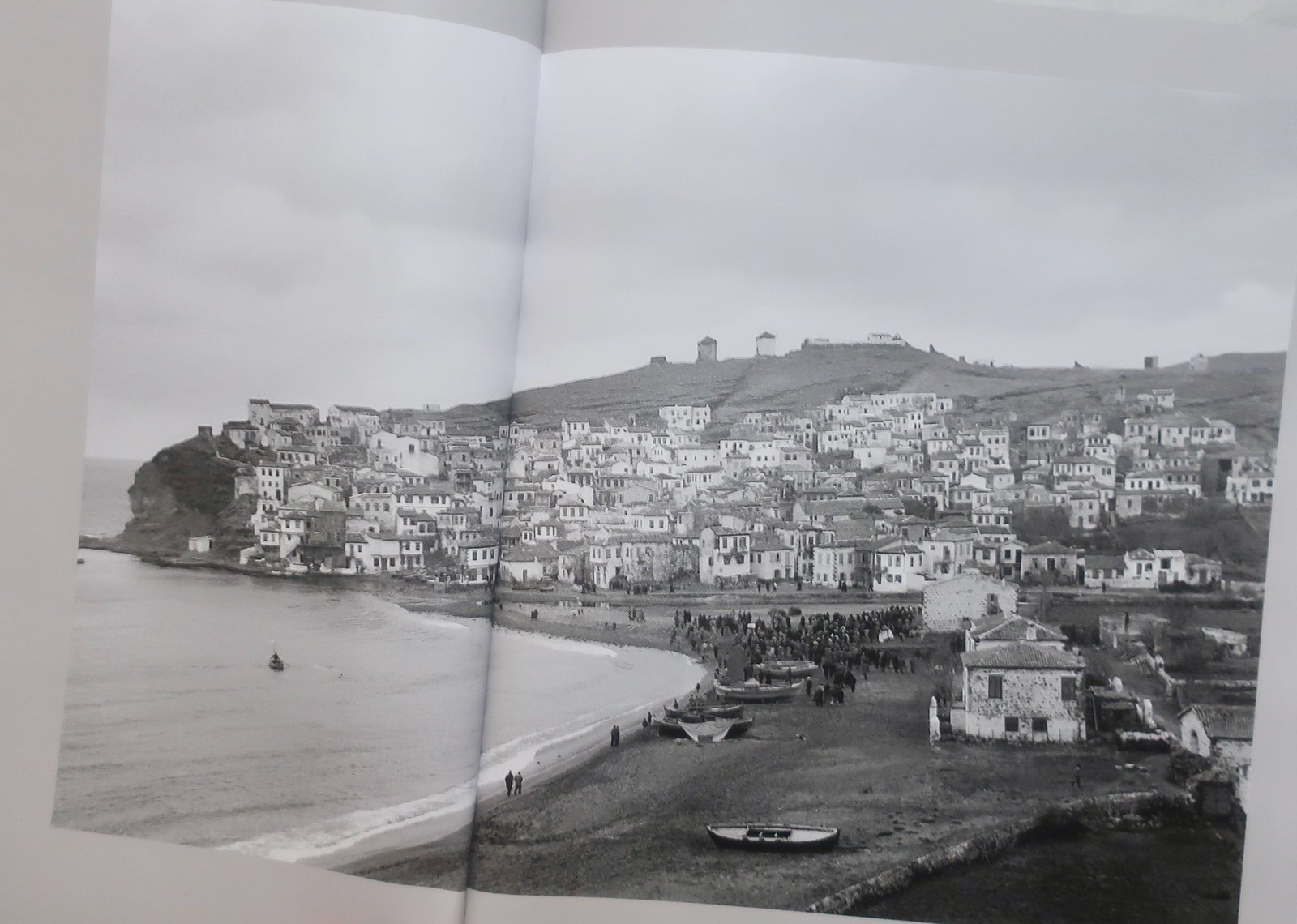
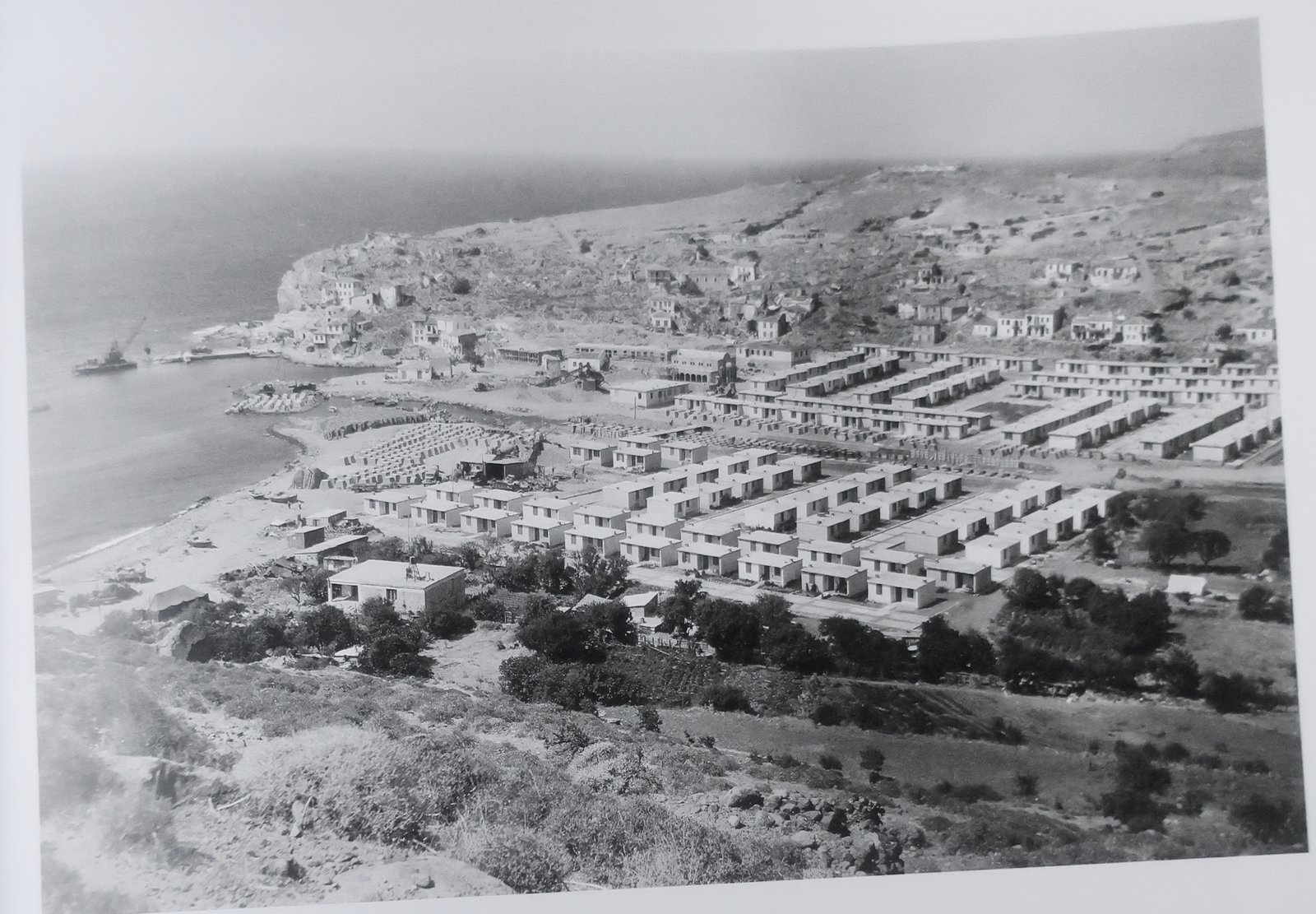
In 1968 a devastating earthquake killed many people and almost completely destroyed the one town. After the quake a new settlement was constructed in rudimentary fashion. Whereas the old town had been on the hillside to the north of the bay, and had grown irregularly, organically, the new houses were built in a rigid grid in the valley where the prisoners tents had been. Many of them are still there, single storey flat-roofed boxes.
The history of the Greek islands is also a history of the ground shaking, of periodic destruction. When we see old stone paths, let alone historical buildings, we wonder how many times they’ve had to resist, what it is in their construction or in the land itself, here, at this point, that has enabled them to survive?
The port area itself is inexplicably gigantic – It’s the ugliest port in the world, says the teacher, showing again his predilection for superlatives, it looks like NATO built it. Just to the left of the port when you arrive there are a couple of old houses, some old stone steps leading up between them as if leading in. The first floor of both houses is stepped out over the ground floor, as they often used to be, with diagonal wooden props to support the wider upper level.

The lines, the walls and windows, are somehow not quite straight. It’s all a little ramshackle in just the way you’d expect a rudimentary fisherman’s neighbourhood to be. Only, when you carry on along the concrete jetty and get around the corner, you see that these houses are like the skin-deep construction of a film-set Western town. Behind, where there was once a tightly nested village, there’s nothing.
When it comes to leaving Agios Efstratios, there’s nowhere to buy tickets for the Hellenic Lines ferry back to Limnos. Although it’s always more or less possible to buy tickets on the ferry itself when boarding, such irregularity is frowned upon. If everyone did it… We’ve been warned many times that no, you won’t be allowed to board unless you already have your ticket. Agios Efstratios is the first island we’ve visited where we’re told we can’t get on the ferry with a ticket, that we can only buy tickets after boarding.
HIKING
We have a Terrain Map of Agios Efstratios. A hiking map. On it there’s one trail, 2.2 kilometres long.
HIKE 1
Perhaps 15 kms
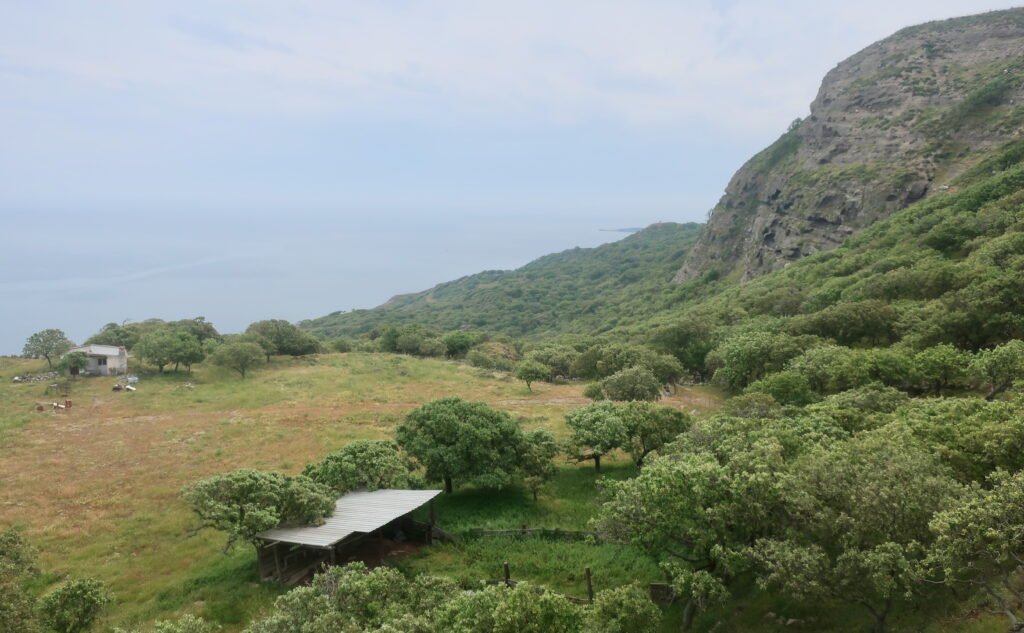
Using the Terrain Map, we go north out of the port on a dirt track to the beginning of the one, short trail, which runs through the old oak forest in the north. There are some residual signs of agricultural activity, a cliff to the right. The ground in May is soft, almost squidgy.
The path leads to Paliokamino beach, from where we continue cross country in a southerly direction, heading towards one or other of a couple of dirt tracks marked on the map. All over this area the Greek army are out practising hiding among trees, draping camouflage over their artillery pieces, being furtive. They eye us suspiciously, as if we might be spies (Turks). The road that leads to the northeast corner of the island is blocked against civilian incursion.
Since there are no other official trails on the island, the way back to the port has to be improvised between dirt road and cross country. There are various options. We do dirt road first, then cross country up to Riza Rachi and back north along the track to Straftalonia – I’m plucking names from the map as if they correspond to something, but on the ground there’s nothing at all – where we turn left on another track through Megali Petra and back into town.
HIKE 2
At least 25 kms
Yvonne wants to go down to the bottom of the island to see the Monk Seals in the caves. Of course we shall see no Monk Seals.
The dirt road runs all the way to the southern tip along the high ridge of the island. On the left, going south, the land falls quite steeply away to the water. To the right are a succession of valleys, with dusty tracks leading to the coast. Like fish bones. Like fish bones there’s nothing to connect the tips of the tracks to each other. If you want to get to the next bay, the end of the next track, you either have to go all the way back up to the main track and down the next side-path, or cut across country, up and down hills.
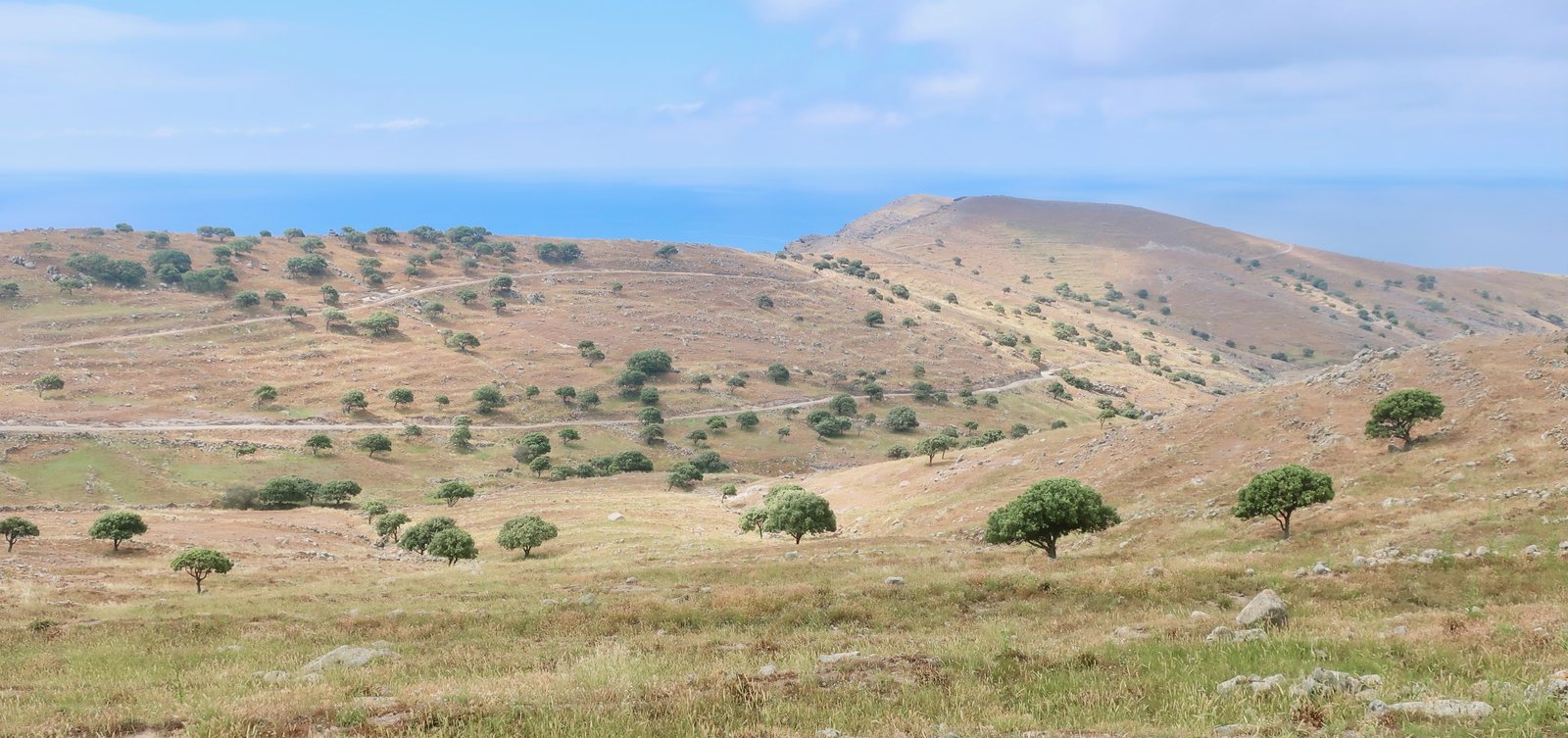
The land in places is starkly beautiful. Pale savannah with a few trees, the illusion of size, as if we’re at the end of something huge, with the sea in front, and behind us land that might go on for ever, a vast continent.
On Agios Efstratios, quite unlike every single other island we’ve been on, there are flies. As we walk they land on our bags, our clothes, they land on the bare skin of our legs, our arms, our faces. All the way down the island we’re carrying a load of flies, we’re at the centre of a small buzzing cloud.
Whenever we move away from the path a wave of undersized, sand-coloured grasshoppers explodes around us, into us. The internet says they’re locusts, says that locust infestation is a recurring problem. At every footfall they detonate, like coiled springs, a lunatic celebration. They go off aimlessly in all directions.
Nowhere do we see any thyme. Nowhere sage. No oranges or lemons. No beehives, which we’ve seen everywhere, every island. If nothing else there’s always honey. No figs even until we spot a couple of small trees unreachably suspended halfway up a low cliff where birds must have excreted fig seeds.
There are very few churches, and those we do see are mostly in bad condition. We’ve seen hardly any olive trees.
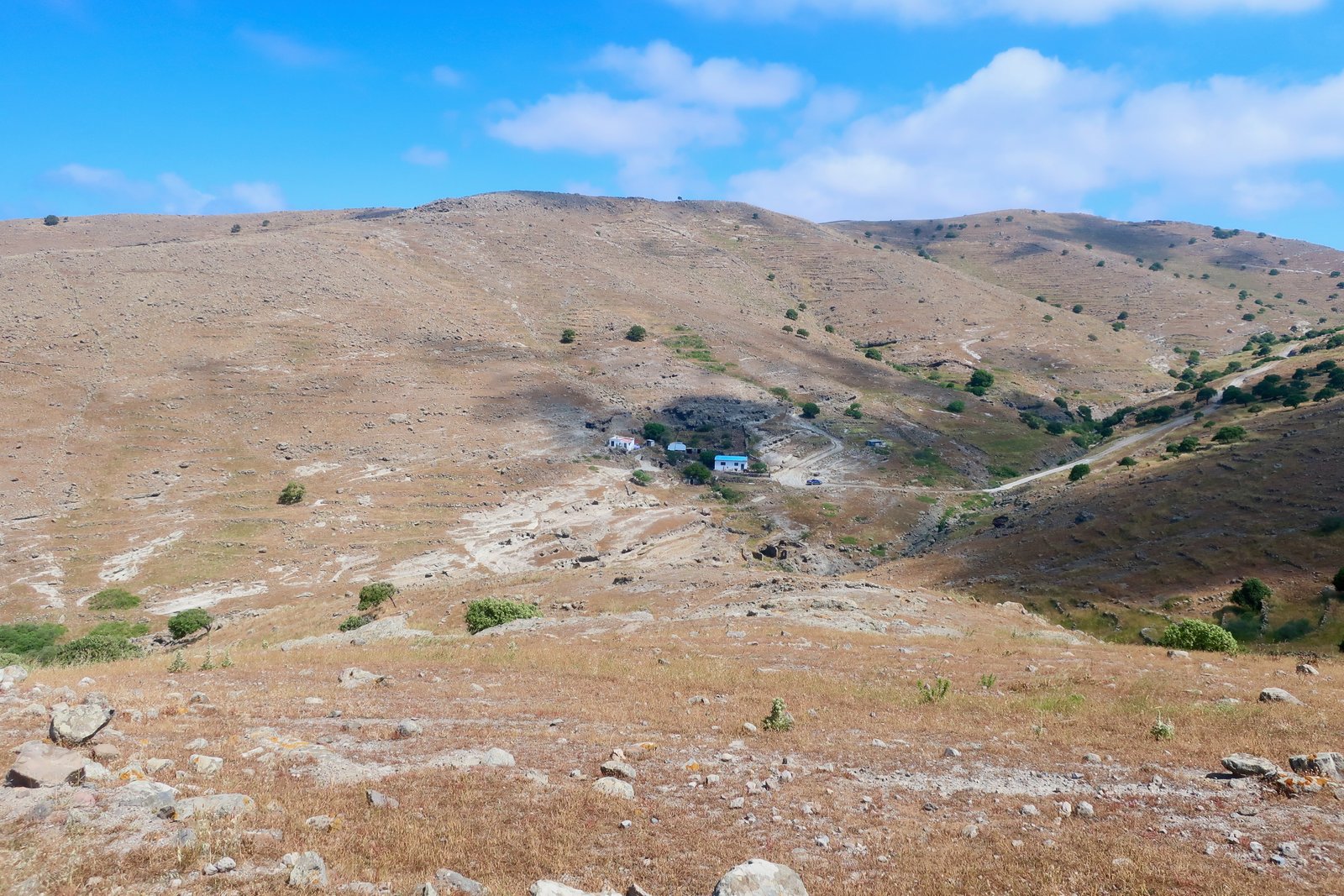
People coming to this island in the far past, finding almost nothing growing here, finding plagues of flies, plagues of locusts, acorns, might have imagined it an entrance to the underworld. A good place for a prison, they might have thought.
Right at the southern end of the island, next to a meagre, automatic lighthouse-pylon, is a monument to a Greek fighter pilot, who in 1992 crashed into the sea and lost his life after a dogfight with a Turkish plane. The monument is in the shape of a Spartan shield and spear, with next to it the words Molon lave. It is the phrase Leonidas, King of the Spartans, is said to have answered when Xerxes, the invading King of Persia, told the Spartans to lay down their arms at the Pass of Thermopylae in 480 BCE. It means, loosely, ‘Come and take them.’
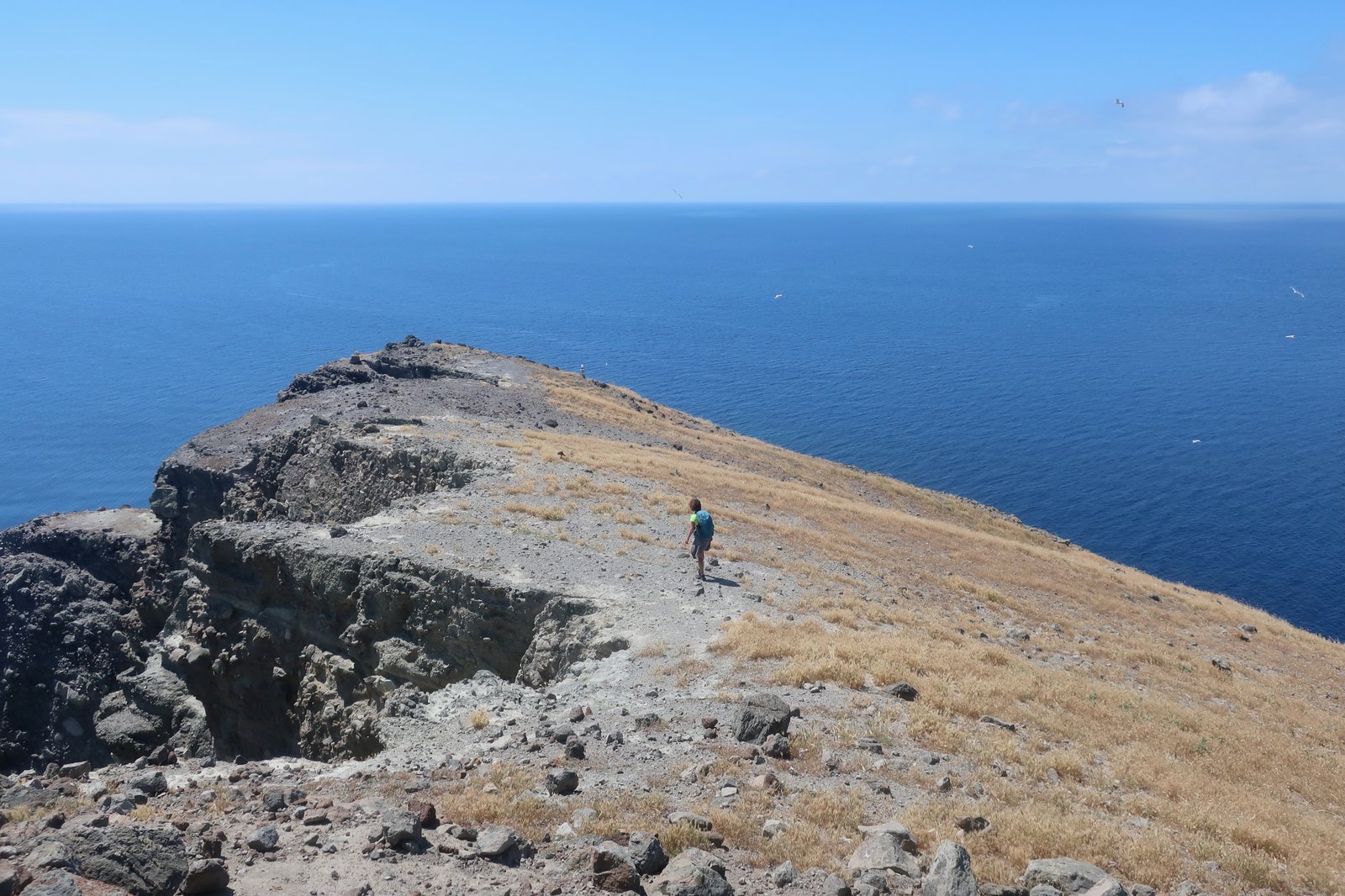
On the way back up the island we take several diversions down the rib-tracks to the west coast. Rather than come all the way back up to the central track, we follow the coast and cut across and take the next rib back up. The terrain isn’t difficult, but even the grasses on Agios Efstratios are more pointed, more irritatingly adhesive, than any we’ve come across. This seems absurd now, so unlikely. But every five or ten minutes, by which time the discomfort has become infernal, we have to stop and take off our socks and pick them as clean as possible before continuing, and stopping again, and so on.
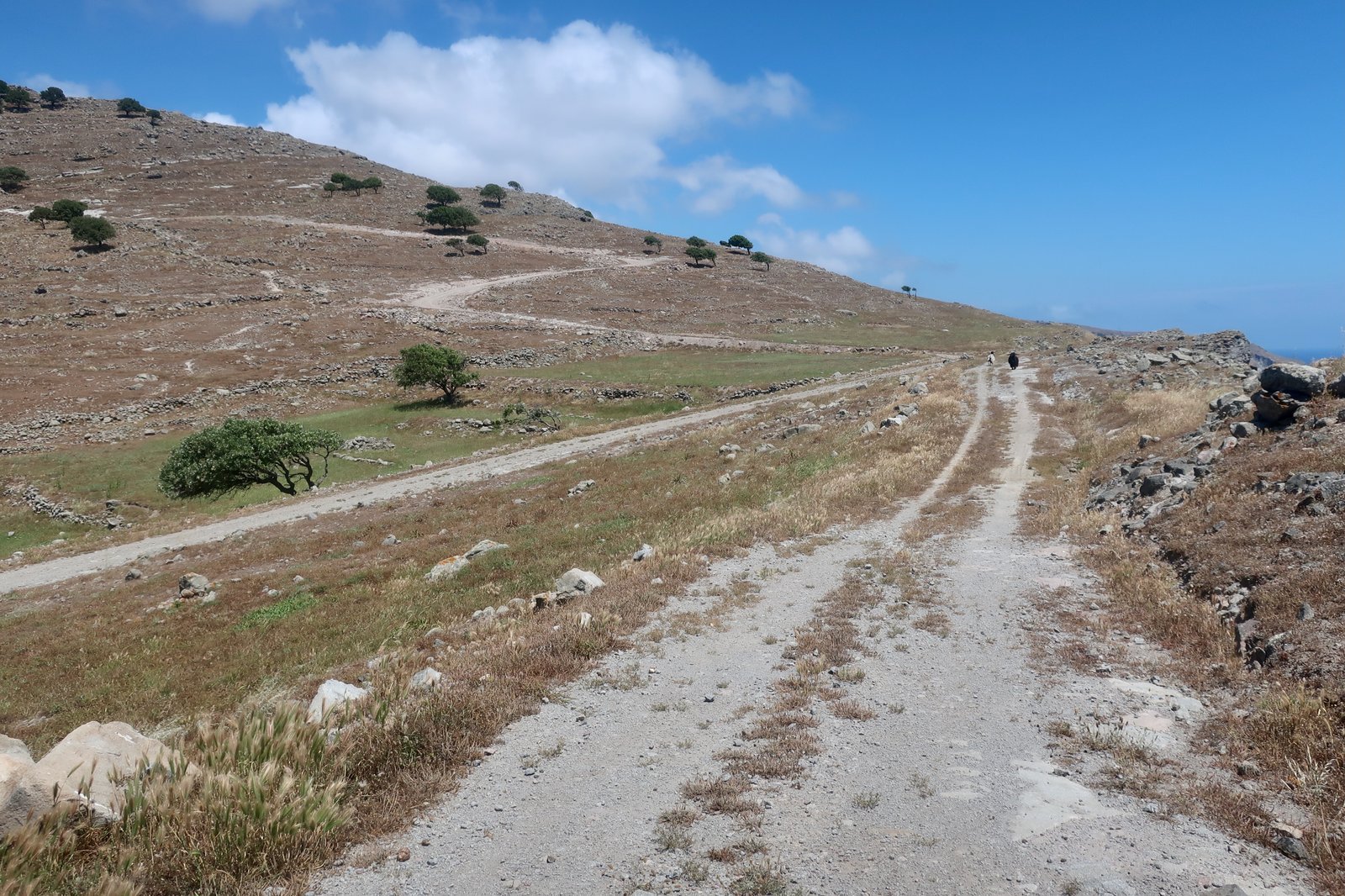
This, the black dot on the path in the above photo, is the biggest goat we’ve ever seen. Black and shaggy and unmoving on the track ahead of us. The only time ever, ever, we’ve had to take a diversion for a goat. Wandering through the islands, from time to time, smaller or greater concentrations of goats flee in panic before us. If only they knew, we say, with their sure-footedness and muscle and speed and numbers, we should be fleeing from them. If only they understood. This bull-goat appeared to understand.
***
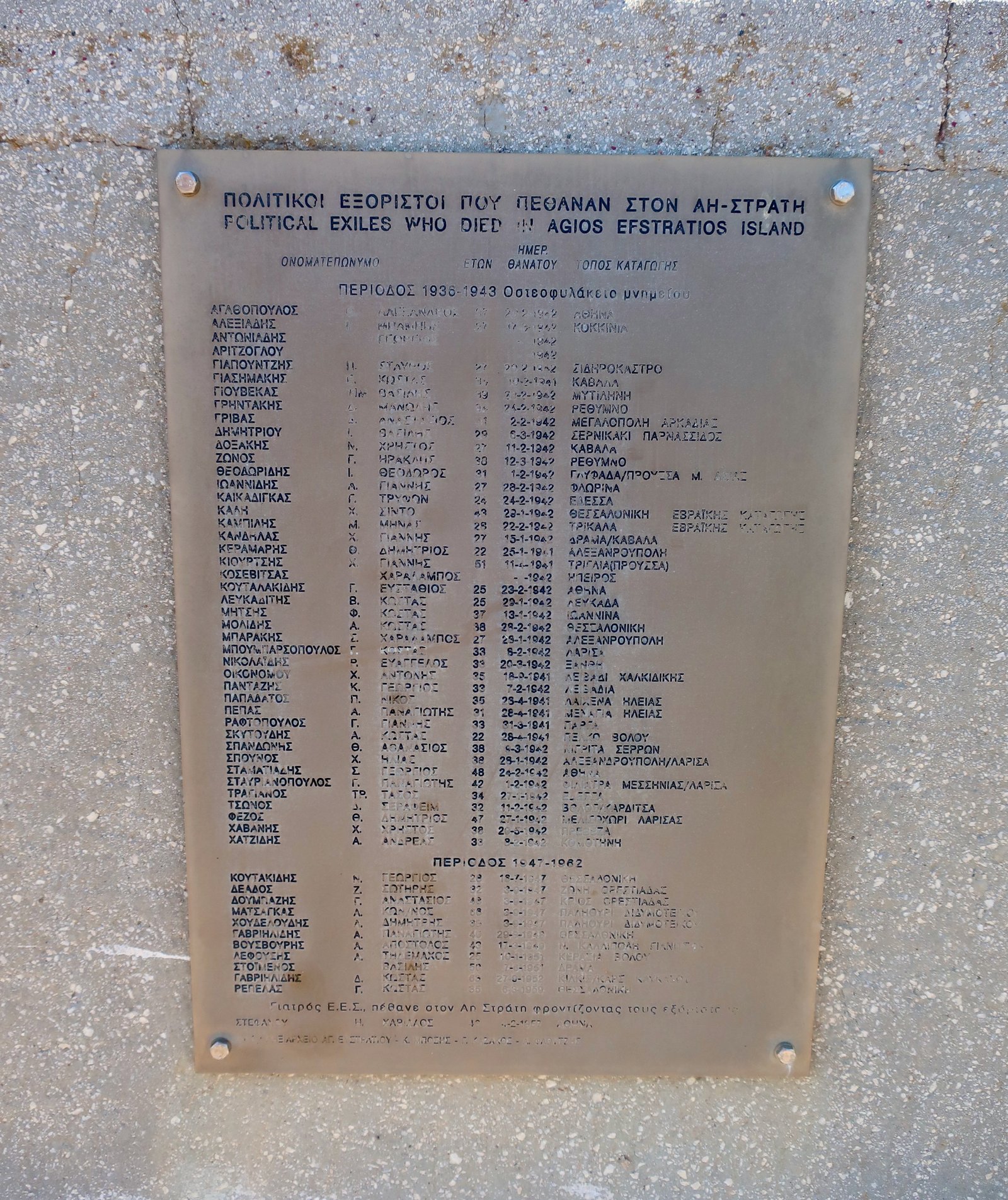
On the way back home we stop at the small church on the hill overlooking the port. There’s a memorial plaque to the political prisoners who died on the island. It records the year in which they died and how old they were. Almost all of them passed away during the winter of 1941/1942 and were in their twenties or thirties. When I ask our neighbour how come so many young men died in such a short space of time, he says they died of hunger.
What? They starved to death?
No, it was a sort of hunger strike.
I tell him I don’t understand what that is, a sort of hunger strike. He looks unsure, but continues:
The war was on he says, and they didn’t want to fight. They had some funny ideas in those days.
***
When we get back to Limnos, we get talking to a young English traveller. We tell him about the poor island, the flies and the locusts, the acorns, we tell him about the prison and the earthquake and the schoolteacher who eats only souvlaki, that there are no old stone paths for walking, only dust and stones. We tell him about swimming in the bay, only us of course because it was only us there, looking back at the hill where the old town used to be. And we tell him about the bee-eaters, that are extraordinary.
Next year I’m going there, he says.